
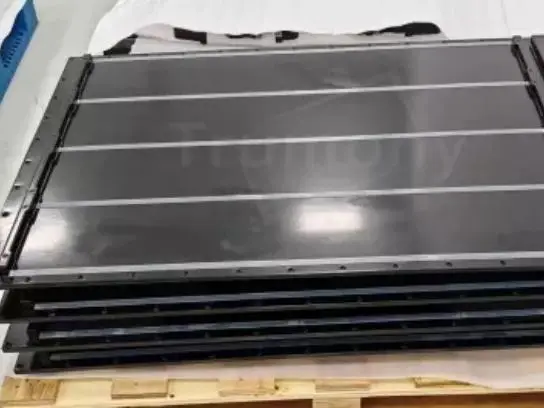
Heat sink extrusion is a way to make finned profiles. A heated aluminum billet is pushed through a shaped die. The long profile is then cut and finished into a heat sink. Electronic parts create heat when they run. This heat can hurt performance or damage parts if not managed well. At Trumonytechs, we work on battery pack thermal management and cooling plates. We often decide if an aluminum extrusion heat sink is the right choice.
What Is Heat Sink Extrusion?
Heat sink extrusion is an aluminum profile with fins. These fins increase the surface area. This helps the sink release heat through convection and radiation. It is used often because it offers a good balance. It provides low cost, easy repetition, and design freedom for many electronics. Extrusion works best with good airflow, whether natural or forced. You also need enough fin area to exchange heat with the air.
How Heat Sink Extrusion Works?
The process starts by heating a solid aluminum billet. It is then forced through a steel die. This creates a continuous profile with fins. The profile is then straightened, aged, and cut to length. The process follows these steps:
- Billet heating: A solid aluminum billet (often 6063 or 6061) is heated. It gets hot enough to be worked, but it does not melt.
- Extrusion: A hydraulic ram pushes the material through the die. This forms the finned cross-section.
- Cooling / quench: The profile is cooled with air or water. This helps control its properties.
- Stretch straightening: The long profile is stretched. This makes it straighter and relieves stress.
- Aging (tempering): Artificial aging helps the metal reach its target mechanical properties, like T5 or T6.
- Cutting & finishing: The long “sticks” are cut to the right length. Then, machining adds features like holes, slots, or mounting faces.
Key Design Basics That Control Cooling Performance
Cooling performance depends on thermal resistance. This resistance occurs along the heat path: from the device, through the interface material (TIM), to the heat sink base, through the fins, and finally to the air. You can get better results by fixing the highest-resistance link. This works better than just adding more fins. Here are the design basics we check first:
- Base thickness and heat spreading: A thicker base spreads heat better but adds weight. It may not help if poor airflow is the main problem. If the heat source is small, base spreading is more important.
- Fin height, thickness, and spacing: Fin spacing must match your airflow. Very tight fin spacing can block natural convection. It can also create a high pressure drop in forced air systems.
- Orientation to airflow: Extruded fins work best when air flows through the fin channels. If you are not sure about airflow direction, a different fin type might be safer.
- Interface quality: A great heat sink can fail with poor contact. The TIM type and thickness, surface flatness, and mounting force often control real-world results.
- Material and finish choices: 6063 aluminum is a common choice for extruded heat sinks. It extrudes well and has good thermal performance. 6061 is used when you need more strength or different machining traits.
|
Material |
Typical thermal conductivity (approx.) |
Practical note |
|---|---|---|
|
Aluminum (6063/6061) |
~160–210 W/m·K |
Best cost/performance for most extruded heat sinks |
|
Copper |
~350–400 W/m·K |
Higher performance, but heavier and often higher cost |
Main Types of Heat Sink Extrusions
The best extrusion type depends on your needs. Consider the airflow style (forced vs. natural). Also think about airflow direction and space limits. Below are the most common types we see in projects.
Straight Fin Extrusion
Straight fin extrusions have parallel fins. These fins form channels that work well with predictable, one-way airflow. They are a good choice for enclosures with fans or ducts. They are less effective if airflow is weak or blocked. The narrow channels can lose performance quickly.
Slant Fin Extrusion
Slant fin extrusions angle the fins. This increases surface area and allows for wider spacing. They can improve performance if you can have larger gaps between fins and want better airflow access. They may be less ideal if you need to pack many fins into a small space.
Pin Fin Extrusion
Pin fin extrusions use an array of pins, not long channels. This makes them better for mixed or changing airflow directions. This is helpful on crowded PCBs where airflow is messy. However, pin arrays can be harder to keep clean in dusty areas. They also may not be the best for pressure drop in every fan setup.
Cross-Cut Extrusion
Cross-cut extrusions break up long fins into shorter parts. This can help with natural convection. It also makes the sink less sensitive to airflow direction. They are often used when you cannot promise strong forced air. The downside is more processing and sometimes lower channel efficiency.
LED Star / Round Profile Extrusion
LED star or round extrusions have radial profiles. They are made to spread heat from circular LED boards and lamps. They fit well with lighting shapes and make assembly easier. They are not always best for tight electronic boxes where airflow is directional and space is rectangular.
|
Type |
Works best |
Watch-outs |
|---|---|---|
|
Straight fin |
Predictable forced airflow |
Channels can choke if spacing is too tight |
|
Slant fin |
Need more area with access |
Not always best for ultra-tight footprints |
|
Pin fin |
Airflow direction is uncertain |
Dust buildup, pressure-drop trade-offs |
|
Cross-cut |
Natural convection / mixed flow |
Extra processing, not always best in ducts |
|
LED star/round |
LED lighting geometries |
Less ideal in rectangular forced-air ducts |
How to Choose the Right Extruded Heat Sink ?
To choose a heat sink, match the thermal target with airflow and size limits. Then, check that it can be made and that the interface is good. We usually follow this path:
- Define the heat load and target temperature rise.
- Confirm the airflow condition: natural convection, fan-forced, or uncertain.
- Set space and weight limits, including size, height, and mass targets.
- Pick a fin type based on airflow certainty (straight vs. pin/cross-cut).
- Lock in the interface plan: mounting method, TIM type, and flatness goals.
- Validate manufacturing needs like cut length, machining, and finish.
In our battery pack work, extruded heat sinks are good for air-cooled electronics or power modules. They also work for spreading heat across an enclosure with airflow. If airflow is poor and heat is high, we usually look at liquid cooling instead. We don’t force an extrusion to do a job it can’t handle.
Common Problems and Practical Troubleshooting Checks
Most “heat sink failures” are not about the extrusion itself. They are usually interface, airflow, or orientation problems. These quick checks solve many issues in the field:
|
Symptom |
Likely cause |
Fast check / direction |
|---|---|---|
|
Hot spot stays high |
Poor contact / TIM too thick |
Check flatness, clamp load, TIM thickness control |
|
Works on bench, fails in box |
Air recirculation / blocked inlet |
Verify airflow path, fan curve, and exhaust clearance |
|
Performance worse than expected |
Fins misaligned to airflow |
Rotate sink or redesign for actual airflow direction |
|
Large unit-to-unit variation |
Assembly variation |
Standardize torque, TIM dispense, and surface prep |
|
Gradual performance drop |
Dust clogging |
Increase fin spacing, add filters, plan maintenance |
Conclusion
Heat sink extrusion is a solid, scalable way to make finned aluminum heat sinks. It delivers the best results when you focus on airflow design and a high-quality interface. If you size fins without verifying real airflow, your actual thermal resistance may differ from your design goals. At Trumonytechs, we see extruded heat sinks as just one tool in our advanced thermal management toolbox. Our expertise allows us to match the right solution—whether it’s extrusion, liquid cooling, or a custom approach—to your specific project needs. If you’re ready to optimize your system’s performance, contact Trumonytechs and explore how our thermal management solutions can power your next success.
FAQ
What materials are commonly used for extruded heat sinks?
Most extruded heat sinks use aluminum alloys like 6063. They extrude well and offer a good balance of cost and performance. Copper is used for higher conductivity, but it adds weight and cost.
Is heat sink extrusion “molten aluminum through a die”?
No, extrusion uses a heated solid billet, not molten aluminum. The hot billet is pushed through the die. Then it is cooled, straightened, aged, and cut.
How do I choose between straight fin and pin fin extrusions?
Use straight fins for known, ducted airflow. Use pin fins when airflow direction is uncertain. The choice depends on airflow predictability and pressure drop limits.
Does tighter fin spacing always cool better?
No, fin spacing that is too tight can choke airflow and lower performance. The spacing must match your cooling method, whether it is natural convection or a fan.
When is an extruded heat sink not the right answer?
If airflow is weak and heat flux is high, an extrusion may not work. In these cases, it is better to rethink the cooling plan. This might mean improving the interface, airflow, or using liquid cooling.
Facebook
Twitter
LinkedIn
Related posts
By Trumonytechs
0
05 Dec: What Is Thermoelectric Cooling?

By Trumonytechs
0
14 Nov: What is a Rack Manifold?

By Trumonytechs
0
13 Nov: Microchannel Cold Plate Overview