
Custom Battery Modules
Trumonytechs offers custom design of battery modules, with scope that can extend to pack design and integration, BMS development and chassis design. Module voltage, capacity and dimensions depend on the configuration requested, and the published cell range covers 32, 38 and 46 series cylindrical cells. We offer natural, air and liquid cooling options for these modules.
Share the application, cell series and cooling method for your module through the quote form or by email.

Where Custom Battery Modules Are Used
Custom battery modules from Trumonytechs are listed for dump trucks, commercial vehicles, logistics vehicles and user-side energy storage, and the inquiry should name which one applies. Battery packs from the same range are also listed for ships, agricultural machinery and high-end lead-acid replacement.
Cylindrical cell series listed in the published range.
- 01Commercial and logistics vehicles
Dump trucks, commercial vehicles and logistics vehicles are the vehicle applications listed for the modules.
- 02User-side energy storage
A pull-out module structure makes replacement and maintenance easier for the end user.
- 03Ships, farm machinery, lead-acid replacement
Pack applications listed for the same range, including high-end lead-acid replacement.
A battery module is the wrong purchase for a low-power device that a single cell can already run, because the cell alone covers that load. Designs that call for NCM-level energy density also sit outside this range, since both cells published with a chemistry are LiFePO4.
32, 38 and 46 Series Cylindrical Cells in the Module Range
The module range lists 32, 38 and 46 series cylindrical cells, and two of those cells are published with model numbers and capacities. A 48 V small-capacity pack and a 320 kWh high-capacity pack are listed alongside them.
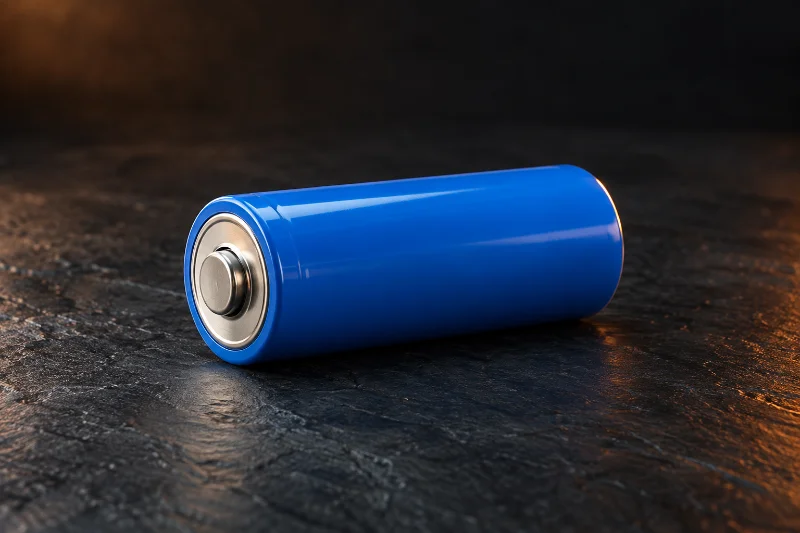
32700 Cell, 6.0 Ah
Published 32 series cylindrical cell, holding 19.2 Wh at 3.2 V nominal.
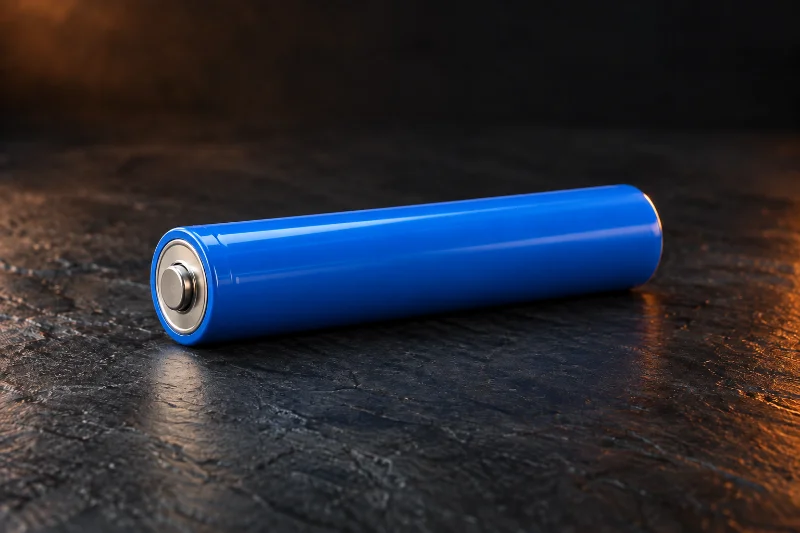
38121 Cell, 15.0 Ah
Published 38 series cylindrical cell, holding 48 Wh at 3.2 V nominal.
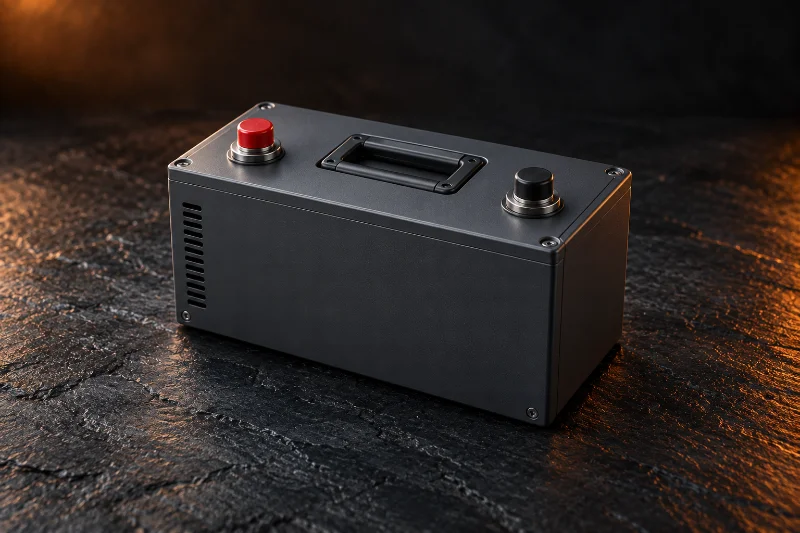
48 V Small-Capacity Pack
Complete pack listed alongside the cells, in two capacities.
320 kWh High-Capacity Pack
High-capacity pack in the same range; its voltage and cell layout are not published here.
These are published cells and packs, not module part numbers; module series-parallel layout, voltage and dimensions are not listed on this page. Cell diameters and lengths follow the model designation, and exact tolerances sit in the cell datasheet.
For the same module energy, a 38121 build needs 40% as many cells as a 32700 build, because each 38121 holds 48 Wh against 19.2 Wh. Fewer cells mean fewer welded connections and fewer cells to match, which favors the 38121 in high-energy modules. Where the envelope cannot take a 121 mm cell length, the 70 mm 32700 is the cell that fits.
Both LiFePO4 cells charge at 0 to 45 °C and discharge at −20 to 60 °C, and the cell datasheet sets the final limits. Discharge rates are not published on this page, so ask for the datasheet before the series-parallel layout is fixed.
Cooling Method and BMS Scope Around the Module
Cooling for these battery modules is listed as natural, air or liquid, and the method for a specific project needs to be confirmed against its heat load and structure. Trumonytechs also makes liquid cooling plates and thermal interface materials as separate product lines.
We provide pack design, BMS development and chassis design as integrated, customized solutions, in cooperation with universities and new-energy research institutes. Where your team owns the pack design instead, the inquiry can name who owns the BMS interface, the pack housing and the cooling connection.
Custom Battery Module Pricing: Cost Drivers and One-Off Charges
Custom battery module prices are quoted per module, and they move with the cell model and count, BMS functions, new tooling, cooling parts, certification testing and annual volume.
Have a target voltage, capacity and annual volume for the module? We take battery module inquiries through the quote form and by email.
Cells, structural parts, busbars and the sampling harness, plus the BMS when it is agreed as part of the module.
Certification testing, freight and import duties, and the cooling system unless it is agreed as part of the module.
One-off charges apply when a project needs new structural-part tooling, custom BMS development or certification testing, and they are refunded or amortized once an agreed order volume is reached. Quotations stay valid for 30 days because cell prices move.
Battery Module End-of-Line Tests, Cell Matching and Traceability
End-of-line tests on each battery module cover open-circuit voltage, internal resistance, insulation withstand and BMS protection, while capacity and weld pull strength are checked on samples from every batch.
Open-circuit voltage and internal resistance on every module; capacity on batch samples.
Insulation withstand test on every module.
Over-charge, over-discharge and short-circuit protection functions checked on every module.
Appearance and dimensions on every module; weld pull strength on batch samples.
Cycle-test curves for the 6.0 Ah and 15.0 Ah LiFePO4 cells are shown above, and the test conditions behind them are not stated on this page.
- Every cellGrading
Cells are sorted by capacity after formation.
- Every moduleMatching
Cells in one module are grouped by voltage, internal resistance and capacity.
- Every moduleCoding
Each module code is linked to the batch of cells inside it.
- Every moduleEnd-of-line test
Electrical, insulation, BMS protection and build checks, as grouped above.
- Per orderPre-shipment inspection
Buyer or third-party inspection is accepted, and the outgoing inspection report ships with the goods.
Quality system certificates (ISO 9001, IATF 16949) are available on request; specify which you need in your inquiry.
Module-level voltage, capacity, dimensions and cycle life are not published on this page, and neither are project references or production capacity.
Quote Inputs, Lead Times and Lithium Shipping for Modules
A custom module quotation is prepared from the six inputs below, and any input still undecided can be marked as open.
- Application and target market
- Nominal voltage and capacity
- Continuous and peak current
- Envelope dimensions and cooling method
- BMS communication: CAN or RS485
- Annual volume and required certifications
- 4–8 weeksSamples
Toward the upper end when new structural parts need tooling.
- 4–6 weeksProduction
Depends on cell stock when the order is placed.
- Sea or airShipment
Transit time depends on the destination port.
Modules shipped on their own travel as Class 9 dangerous goods under UN 3480, by sea in full or shared containers, or by air. A new module design completes UN 38.3 testing before its first shipment, and the test fee is quoted as a one-off charge. Sea shipments leave at 30 to 50% state of charge.
Modules are packed as UN 3480 dangerous goods in wooden crates or reinforced cartons, with terminals insulated against short circuit. Each shipment carries the UN 38.3 test summary for the design, the SDS, the dangerous-goods declaration, the packing list and the outgoing inspection report. Destination customs and duties are confirmed per port in the quotation.
Custom Battery Module Questions from Buyers
Do you supply battery modules only, or cells and complete packs as well?+
Cells, modules and packs all appear in the published range: 32, 38 and 46 series cylindrical cells, custom-designed modules, 48 V packs at 20 Ah and 30 Ah, and a 320 kWh pack. Pack design, BMS development and chassis design can be added around the modules as integrated solutions. The level required can be named in the inquiry.
What are the MOQ and lead times for a custom module?+
Sample orders of 1 to 5 sets carry no MOQ, and production orders start from 100 sets. Samples take 4 to 8 weeks, toward the upper end when new structural parts need tooling. Production takes 4 to 6 weeks and depends on cell stock at the time of order.
What payment, inspection and warranty terms apply?+
Production orders are paid by T/T, 30% as deposit and 70% before shipment, while samples are paid in full in advance. Buyers or a third-party agency can inspect before shipment. The warranty runs 24 months or to an agreed cycle count, whichever comes first, and excludes misuse and operation outside specification.
Can we share drawings under an NDA before you quote?+
Yes. A mutual NDA can be signed first, and drawings are received only once it is in place. When the pack layout or enclosure design is confidential, raise the NDA in the first message through the quote form or at [email protected], before any files change hands.
Is cycle-life data available for the 6.0 Ah and 15.0 Ah cells?+
Both LiFePO4 cells have cycle-test curves on this page; their test conditions are not stated. A cycle count is only comparable alongside its conditions, so a request for the data should cover charge and discharge rate, temperature, depth of discharge and the end-of-life criterion. Module-level life figures are not published.
Can a single module be replaced, and how are warranty claims handled?+
User-side storage designs in the range use a pull-out module structure, which makes replacement and maintenance easier for the end user. During the warranty, a failed module is replaced or repaired. A claim needs photos and the BMS data log, and it is settled after a failure analysis report.
What capacities are available in the 46 series?+
46 series cylindrical cells belong to the published cell range, but no model number or capacity is listed for them here. Their datasheet can be requested before a module is designed around one, and the same request can cover chemistry, since LiFePO4 is stated only for the 6.0 Ah and 15.0 Ah cells.
Can custom modules ship by air?+
Lithium-ion modules shipped on their own fly on cargo aircraft only, at a state of charge of 30% or less. A package above 35 kg needs special approval from the state of origin and the airline, so larger modules go by sea as Class 9 dangerous goods. The preferred mode can be named in the inquiry.