
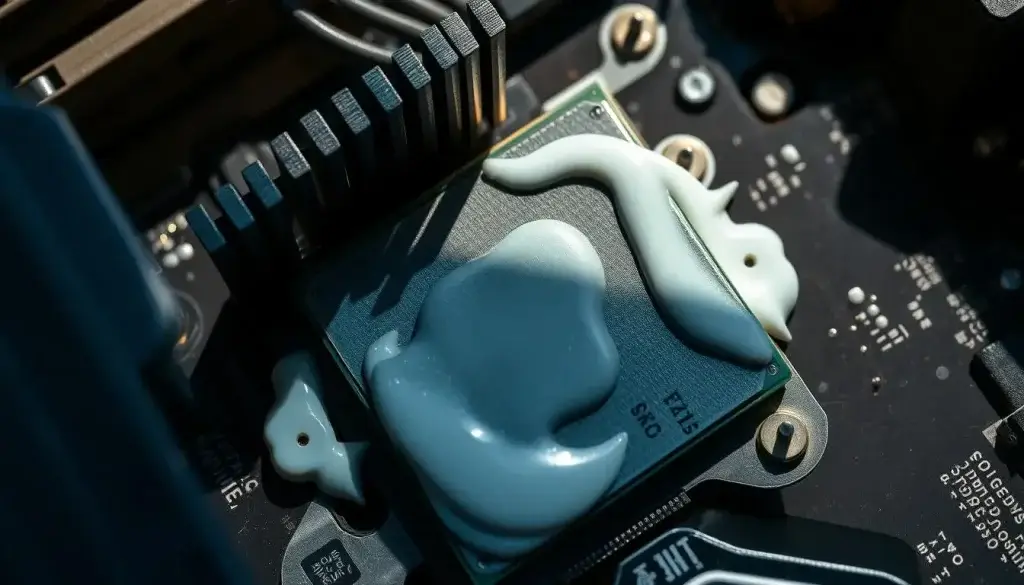
In electronic systems, thermal paste plays a key role in maintaining optimal thermal performance, especially in electric vehicles and energy storage systems. Regular replacement of thermal paste is essential to ensure the longevity and efficiency of the CPU and the overall system. Over time, thermal paste degrades, reducing its heat dissipation effectiveness. By understanding the importance of high-quality thermal paste and its use in various applications, you can extend the replacement intervals and maintain optimal CPU performance.

Understanding Thermal Paste and Its Importance
Thermal paste plays a key role in the efficient operation of electronic devices, especially in electric vehicles and energy storage systems.
Thermal paste, also known as thermal grease, is a specially formulated compound designed to fill microscopic air gaps between heat-generating components and heat dissipation devices. By enhancing thermal conductivity between these surfaces, thermal paste allows heat to transfer more effectively from components to cooling systems, thereby preventing overheating and potential damage.
For example, in a CPU, it acts like a lubricant, helping heat flow smoothly. This material is particularly important in high-performance applications, such as electric vehicles and energy storage systems, ensuring effective heat dissipation.
In electric vehicles, thermal management directly affects battery performance, range, and lifespan. Proper application of thermal paste ensures effective heat management, preventing hotspots and maintaining uniform temperature distribution.
Similarly, in energy storage systems, thermal paste plays a key role in preventing overheating, which can lead to reduced system lifespan and efficiency.
According to industry research, efficient thermal management can extend battery life by 15-20%.
By using high-quality thermal paste, manufacturers can ensure the reliability and performance of their systems.

Thermal Paste Replacement Frequency: The Complete Guide
Understanding the optimal replacement frequency for thermal paste is crucial for maintaining peak performance in various applications, from CPUs in personal computers to complex systems in electric vehicles and energy storage systems. The lifespan of thermal paste varies depending on its quality, usage patterns, and environmental conditions. Based on extensive testing and industry data, we have developed specific replacement guidelines.
General Replacement Guidelines for Different Applications
For most standard applications, such as CPUs in personal computers, replacing thermal paste every 2-5 years is recommended. However, this timeframe depends on the quality of the thermal paste and the intensity of use. For low-quality pastes and high-intensity applications, replacement may be needed every 6-12 months.
In contrast, high-quality pastes in low-intensity applications can last longer, often exceeding 5 years. It is worth noting that industrial systems may require different replacement schedules. Factors such as operating temperature, humidity, and system design play a key role in determining the optimal interval.
Replacement Schedule for Electric Vehicles
For electric vehicles, the thermal paste replacement schedule is influenced by driving patterns, climate conditions, and charging habits. Vehicles operated in extreme temperatures or under heavy load conditions may require more frequent replacement. Based on industry data, for most electric vehicles, thermal paste should be inspected and potentially replaced every 2-4 years, depending on the manufacturer’s specifications and the vehicle’s operating conditions. For example, in high-temperature environments, fast charging may accelerate degradation, leading to efficiency losses of up to 15%.
Optimal Timing for Energy Storage Systems
Energy storage systems, such as those in renewable energy installations, have unique requirements for thermal paste replacement. The replacement interval should be adjusted based on system scale, usage patterns, and environmental conditions. For large-scale energy storage systems, proactive maintenance schedules that include thermal paste inspection and replacement are crucial for optimizing performance and minimizing downtime. Typically, thermal paste should be replaced every 4-7 years, but this depends on the system design and operating environment.
Signs That Your Thermal Paste Needs Replacement
As thermal paste ages, its effectiveness diminishes, and identifying signs of degradation is vital for system maintenance. Thermal paste plays a key role in heat transfer between the CPU and the heatsink, and its degradation can lead to increased temperatures and reduced system performance.
Visual Indicators of Degraded Thermal Paste
Visual inspection is a simple method to determine if thermal paste needs replacement. Signs of degradation include:
- Cracking or drying out of the paste
- Discoloration or darkening of the paste
- Separation of the paste from the CPU or heatsink
- Oil bleeding or dripping from the paste
These visual indicators suggest that the thermal paste is no longer effectively transferring heat.
Performance Issues Signaling Thermal Paste Failure
Besides visual signs, certain performance issues may indicate thermal paste failure. These include:
- Unexpected temperature fluctuations
- Reduced system efficiency
- Increased power consumption
- Abnormally high CPU temperatures during low-intensity applications
For electric vehicles, thermal paste degradation may manifest as reduced range or slower charging. In energy storage systems, it may present as increased cell-to-cell temperature variance or reduced cycle efficiency.
Temperature Monitoring as a Diagnostic Tool
Effective temperature monitoring is crucial for diagnosing thermal paste degradation. By placing sensors at strategic locations, maintenance teams can track temperature changes and identify potential issues early. Data analysis techniques help distinguish between thermal paste-related problems and other causes of thermal management issues. It is recommended to use free tools like HWMonitor or Core Temp to check temperatures monthly. Regular checks and timely replacement of thermal paste are essential for maintaining optimal system performance. By understanding the signs of degradation and implementing effective monitoring protocols, maintenance teams can prevent system failures and ensure efficient heat transfer.
Factors Affecting Thermal Paste Lifespan
Understanding the factors that affect thermal paste lifespan is crucial for maintaining optimal thermal performance in electronic devices. The effectiveness of thermal paste over time is influenced by a combination of operating conditions and paste quality.
Impact of Operating Temperature on Degradation Rate
Operating temperature significantly affects the degradation rate of thermal paste. Higher temperatures accelerate the breakdown of the paste’s compounds, shortening its effective lifespan. As the CPU generates heat, it gradually dries the solvent inside the thermal paste, causing it to crack or powderize and lose its heat transfer capability.
Quality Differences: Premium vs. Standard Thermal Pastes
The quality of thermal paste plays a significant role in its lifespan and efficiency. Premium thermal pastes are formulated to provide superior thermal conductivity and durability compared to standard pastes. Laboratory testing shows significant differences in performance and lifespan between these two categories, with premium pastes offering substantial improvements in thermal management.
Environmental Factors and System Design Considerations
Environmental factors such as humidity, vibration, and thermal cycling can significantly affect thermal paste performance over time, especially in mobile applications like electric vehicles. System design considerations, including contact pressure, surface finish quality, and thermal expansion characteristics of mating components, also impact thermal paste longevity. For example, a well-designed heatsink and adequate airflow can significantly extend thermal paste lifespan.
- Operating temperature directly affects the degradation rate of thermal interface materials.
- Premium thermal pastes provide significant performance and longevity improvements over standard pastes.
- Environmental factors and system design play key roles in thermal paste performance and lifespan.
Professional Thermal Paste Replacement Process
To keep your electric vehicle’s thermal management system running smoothly, understanding the professional thermal paste replacement process is essential. This process involves several key steps to ensure optimal thermal conductivity and system performance. We recommend that DIY users try it for simple CPU applications, but for EVs or energy systems, consult professionals to avoid warranty issues. DIY costs are approximately $10-20, while professional services may cost $100-200.
Step-by-Step Guide to Replacing Thermal Paste
Replacing thermal paste requires precision and the right techniques. First, remove the cooler to access the CPU and heatsink. Use a thermal paste removal kit or alcohol and a cotton swab to thoroughly clean both surfaces. Allow the surfaces to dry, then apply a small, pea-sized amount of thermal paste to the CPU. Reinstall the heatsink, ensuring even pressure distribution by tightening the screws in the correct sequence. The quality of the thermal paste and the application method significantly affect thermal conductivity. It is crucial to apply the right amount to avoid spillage and ensure optimal heat transfer between the CPU and heatsink. Avoid over-application to prevent conductive paste from short-circuiting components.
Thermal Interface Solutions for Optimal Performance
We have developed a professional thermal paste replacement protocol specifically optimized for electric vehicles and energy storage systems. These thermal interface solutions are designed to maintain performance under extreme temperature cycling, ensuring maximum thermal conductivity in high-performance systems. Our application methodology minimizes air entrapment, a key factor in achieving optimal thermal performance. We also provide guidance on proper torque sequencing when reinstalling components to prevent thermal interface material displacement. For maintenance professionals, we offer tips on streamlining the replacement process to minimize system downtime. Our thermal gel products address the unique challenges of various applications, providing optimal thermal management solutions. Our technical support team is available to assist with thermal interface material selection and application guidance for your specific system requirements.
Conclusion
Achieving effective thermal management through regular thermal paste replacement is essential for maximizing system efficiency. Proper thermal paste maintenance is not just about performance—it’s about protecting your investment in electric vehicles and energy storage systems. Choosing the right thermal paste and following proper replacement protocols can make a huge difference in system performance and longevity. Refer to the manufacturer’s manual or a certified technician for personalized advice. If you need high-quality thermal interface solutions, please contact the Trumonytechs technical team for more information.
FAQ
What is the average lifespan of thermal paste?
The lifespan of thermal paste depends on quality, application, and operating conditions. It is typically 2-5 years.
How can I determine if my thermal paste needs replacement?
Signs include increased CPU or GPU temperatures, reduced system performance, and visual inspection showing dried-out or cracked paste.
Does the quality of thermal paste affect its lifespan?
Yes, premium thermal pastes tend to have a longer lifespan and better performance compared to standard ones, as they are made with higher-quality materials and have better heat transfer properties.
Can environmental factors influence the degradation rate of thermal paste?
Yes, factors such as high temperatures, humidity, and dust exposure can accelerate the degradation of thermal paste, reducing its effectiveness over time.
Is it necessary to replace thermal paste when upgrading my CPU or GPU?
Yes, it’s a good practice to reapply thermal paste when upgrading or replacing the CPU or GPU to ensure optimal heat transfer and system performance.
Can I reuse thermal paste after removing the heatsink?
It is not recommended, as it may have dried out or become contaminated, compromising its effectiveness.
How does the application of thermal paste impact its performance?
Proper application of thermal paste, such as using the correct amount and ensuring even coverage, is crucial for optimal heat transfer and system performance.
What factors should be considered when selecting a thermal gel for a specific application?
When selecting a thermal gel, consider factors such as thermal conductivity, curing time, viscosity, and compatibility with the materials involved in the application. This ensures optimal performance and reliability.