
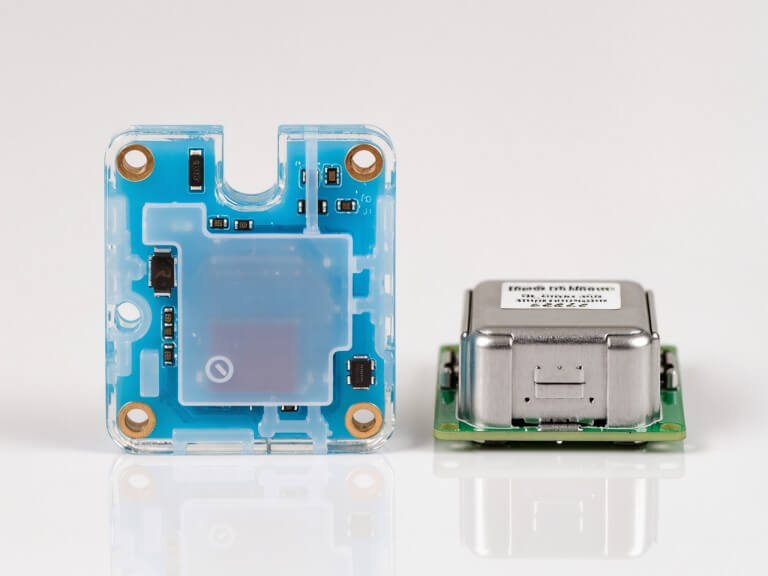
At Trumonytechs, we know how vital it is to shield electronic parts from the environment. As makers of liquid cooling panels and thermal interface materials for electric vehicles and energy storage systems, we extensively use potting compounds and sealants.
Potting and sealing are two methods to safeguard sensitive electronics. Though both protect, they differ in composition, application, and function. Our experience shows that picking the right protection method is key for the long-term reliability of electronic components in tough applications.
In this guide, we’ll explore the main differences between potting and sealing. We’ll look at their unique properties and how we use both in our advanced thermal management solutions.
Understanding Potting and Sealing Processes
As a manufacturer of liquid cooling plates and thermal interface materials, we at Trumonytechs know the importance of potting and sealing in electronics. These processes are vital for protecting electronic components from environmental stressors.
WHAT IS POTTING IN ELECTRONICS?
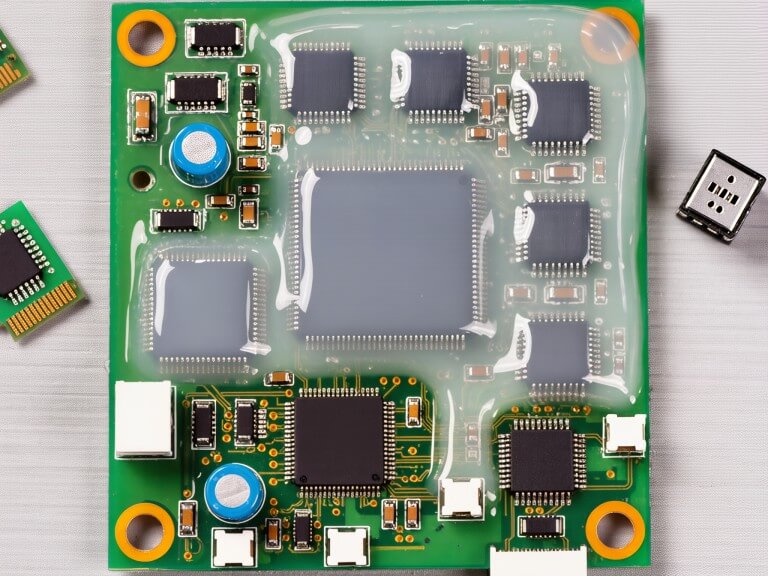
Potting involves completely encapsulating electronic components or assemblies in a specialized compound that hardens to form a protective shell. The compounds we use are typically made from epoxy, silicone, or polyurethane. They offer excellent insulation properties and protect against moisture, dust, and mechanical stress.
What is Sealing in Electronics?
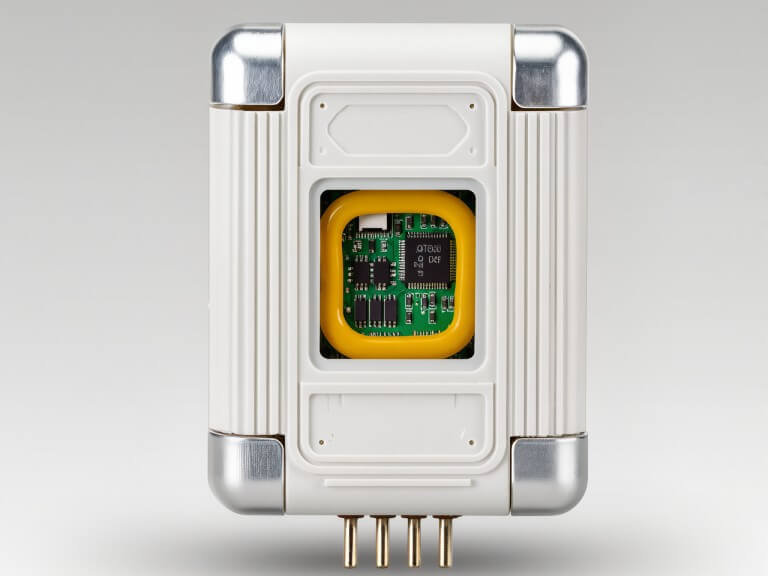
Sealing in electronics involves applying materials to create a protective barrier at specific points or along joints without fully encapsulating the components. Sealants are generally more flexible than potting compounds. They are designed to prevent moisture, dust, and other contaminants from entering electronic devices through openings or connections.
Both potting and sealing play important roles in the electronics industry. They differ significantly in their application methods, material properties, and the level of protection they provide.
What is the difference between potting and sealing?
In the electronics industry, the terms potting and sealing are often used interchangeably, but they serve distinct purposes and involve different materials and application methods. At Trumonytechs, we’ve identified key differences between these two techniques to ensure optimal performance and longevity for our products, such as liquid cooling panels and thermal interface materials.
Potting: Comprehensive Encapsulation
Potting involves completely surrounding a component or device with a protective material, creating a robust “pot” around it. This method is ideal for providing all-around protection in demanding environments.
- Purpose: Potting offers comprehensive protection against environmental factors such as moisture, dust, temperature fluctuations, and mechanical stress.
- Applications: Commonly used in electronics to safeguard circuit boards, connectors, and other sensitive components, especially in harsh conditions.
- Materials: Potting compounds typically include epoxy, polyurethane, or silicone, often enhanced with fillers to improve thermal conductivity and structural strength.
- Benefits: Beyond environmental protection, potting provides mechanical support, vibration resistance, and improved heat dissipation.
- Application Method: Potting materials are low-viscosity and highly fluid, allowing them to flow into gaps and fully encapsulate components. They are applied through pouring or dispensing.
Sealing: Targeted Barrier Creation
Sealing, on the other hand, focuses on creating a protective barrier at specific points of vulnerability, such as seams, joints, or cable entries.
- Purpose: Sealing prevents the ingress of fluids (e.g., water, oil), gases, and contaminants, ensuring the reliability of the product.
- Applications: Widely used across industries, including automotive (e.g., engine sealing), construction (e.g., roof sealing), and electronics (e.g., cable entry points).
- Materials: Sealants are typically silicone or polyurethane-based, offering flexibility and durability. Other materials like tapes, gaskets, or adhesives may also be used.
- Benefits: Sealing enhances product reliability by preventing leaks and contamination while maintaining flexibility.
- Application Method: Sealants are higher in viscosity and are applied along specific areas, maintaining their shape and forming a durable barrier.
Key Differences Between Potting and Sealing
| Feature | Potting | Sealing |
|---|---|---|
| Scope | Complete encapsulation | Specific points or seams |
| Primary Purpose | Protection against environmental factors | Prevention of substance ingress |
| Materials | Epoxy, polyurethane, silicone, etc. | Tapes, sealants, gaskets, adhesives |
| Applications | Electronics in harsh environments | Automotive, construction, electronics |
| Benefits | Mechanical support, vibration resistance, thermal conductivity | Leak prevention, flexibility, reliability |
By understanding these differences, we can select the most suitable materials and methods for each application. At Trumonytechs, this ensures our products deliver superior performance and durability, even in the most challenging conditions.
Learn more about the EV/ESS Cooling System
Want to learn more about how to optimize the thermal management of your electric vehicle or energy storage system? Fill out the form below and our team of experts will contact you for a free consultation.
Selecting the Right Solution for Your Needs
As a leading manufacturer of liquid cooling panels, we know the importance of selecting the right potting or sealing solution. At Trumonytechs, we recommend considering the operating environment, maintenance needs, and thermal management requirements. This helps choose between potting compounds and sealants.
Our engineering team specializes in developing customized potting and sealing solutions for various industries. We offer a range of silicone and epoxy-based materials tailored to meet the unique challenges of your application. This ensures the reliability and longevity of your electronic devices.
Contact our materials experts today to discuss how our potting and sealing solutions can enhance your products in demanding environments.
FAQ
What are the primary purposes of potting and sealing in electronics?
Potting and sealing protect electronic components from environmental factors like moisture, dust, and extreme temperatures. Potting provides a robust barrier, encapsulating components entirely. Sealing offers a protective coating or seal around specific areas.
How do potting compounds and sealants differ in terms of material properties?
Potting compounds, often made from epoxy or polyurethane, are more rigid. They provide excellent mechanical strength and insulation. Sealants, such as silicone, are generally more flexible. They offer superior adhesion and resistance to vibration.
What factors influence the choice between potting and sealing for electronic components?
The choice between potting and sealing depends on the level of protection required, operating temperature, and exposure to chemicals or moisture. The need for flexibility or rigidity, application methods, curing times, and viscosity also play a crucial role in this decision.
Can potting compounds be used for sealing applications, and vice versa?
While it’s technically possible to use a potting compound for sealing or a sealant for potting, it’s not always the most effective or efficient solution. Potting compounds are generally too viscous for sealing small gaps. Sealants may not provide the necessary level of protection or insulation for potting applications.
How do temperature and curing conditions affect potting and sealing materials?
Temperature and curing conditions significantly impact the performance and properties of potting and sealing materials. Epoxy potting compounds, for example, often require heat curing. On the other hand, silicone sealants may cure at room temperature. Understanding these requirements is essential for optimal results.
Are there specific industries or applications where potting or sealing is preferred?
Potting is commonly used in harsh environments, such as aerospace, automotive, and industrial applications. These areas expose components to extreme temperatures, vibration, or chemicals. Sealing is often used in applications requiring flexibility, such as consumer electronics or medical devices.
Can potting compounds be customized for specific applications?
Yes, specialized formulations can be developed for specific requirements. Companies like Trumonytechs offer customized potting compound solutions. These integrate with thermal management systems, providing optimal performance and reliability.