
Two-Part Thermal Conductive Structural Adhesive in Three Grades
We supply structural adhesive in three grades: polyurethane thermal conductive structural adhesive 30107-0120 and 30107-0200 for bonding battery cells to cold plates, and epoxy 30104-0120 for bonding metals, PET, PC and ABS. EV and energy storage (ESS) battery packs are the main applications, and the same adhesives are supplied for other applications as well. Which grade fits depends first on the substrates and the joint's service temperature. Measured properties are shown with the test method their data sheet names.
Share your cell format or the substrates you are bonding, plus your annual volume, to start a quote for the grade that fits your joint.
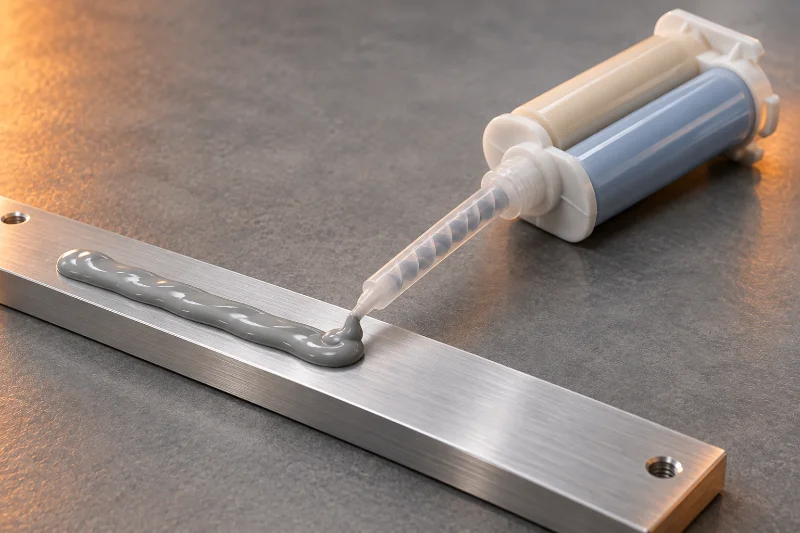
When a Thermal Joint Also Has to Carry Load
A structural adhesive earns its place when a thermal joint has to hold a part in place as well as carry its heat; in a battery pack, that is the joint between cell and cold plate. Where a frame already carries the load, the bond strength goes unused, so the three conditions below come first.
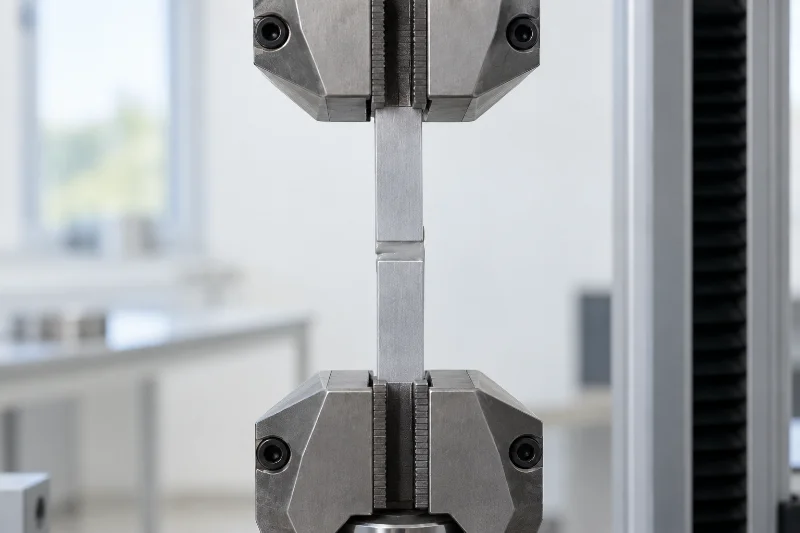
Aluminum-to-aluminum lap shear listed for 30107-0120, tested to GB/T 7124-2008.
- 01A frame already holds the cells
When a frame or fasteners carry the load, the interface only has to move heat. Our gel térmico e thermal pad do that without a structural bond, at 1.5–8.0 W/m·K across listed models (ISO 22007-2).
- 02Cells must come out for service
A cured 30107 bond fixes cell and plate firmly, and no removal or rework method is published for it, so the service strategy has to be settled before a bonded joint is specified.
- 03The joint runs outside −10 to +120 °C
Epoxy 30104-0120 lists −10 to +120 °C, and 30107 has no published range yet; send your operating window before either grade goes into a design.
Three Grades, Two Chemistries: What Each Data Sheet Covers
The three structural grades can be compared on two published points: the substrates each data sheet names, and whether the bead holds its place before cure. Polyurethane 30107 is specified for bonding battery cells to cold plates, while the epoxy 30104-0120 description names metals, PET, PC and ABS among the substrates it bonds. The intended joint for 30107-0200 and a temperature range for either polyurethane grade are not published yet, so both questions belong in the inquiry before a polyurethane grade is chosen.
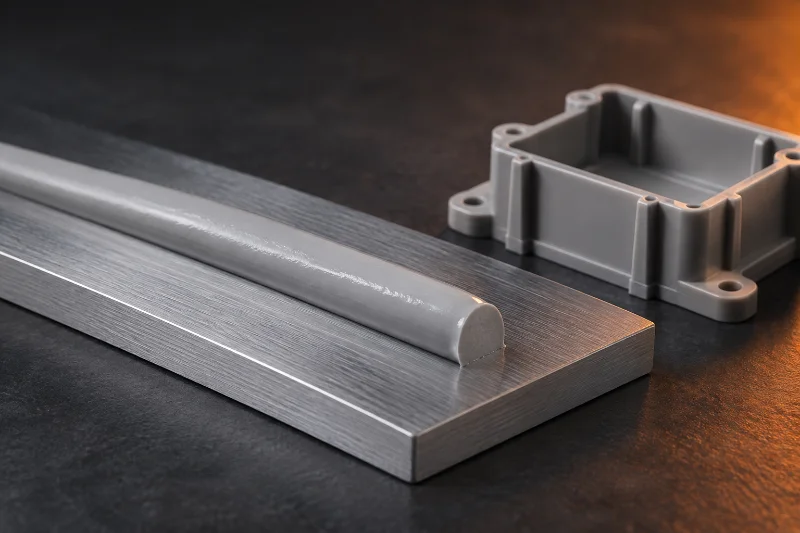
Epoxy structural adhesive · 30104-0120
The data sheet names metals, PET, PC and ABS among the substrates this epoxy bonds; a specific pairing of two of them calls for a coupon test on your own surfaces. Mixed through a helical mixing tube, the paste is thixotropic and does not flow after mixing.

Polyurethane structural adhesive · 30107-0120
For bonding battery cells to the cold plate, where one bead fixes the cell and carries its heat. The two-part polyurethane is formulated with very low surface stress so it conforms to both faces, and it is the lower-viscosity of the two polyurethane grades.
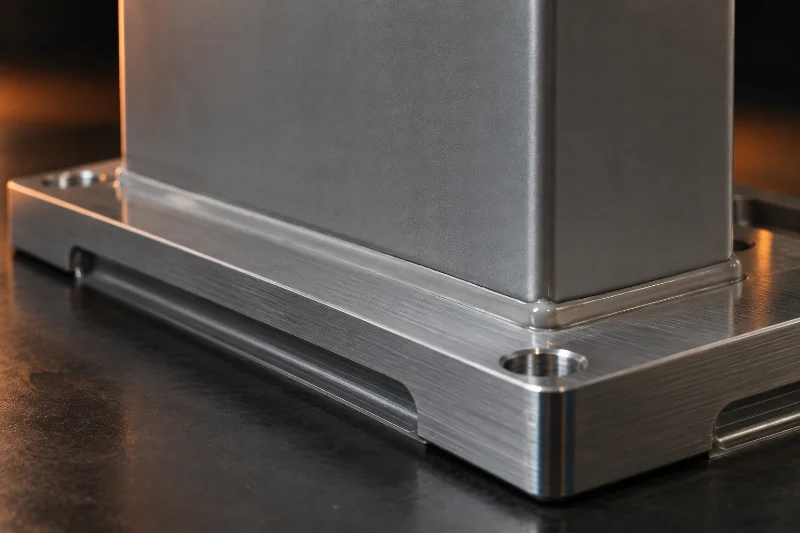
Polyurethane structural adhesive · 30107-0200
The same cell-to-plate polyurethane at more than twice the viscosity of 30107-0120. Its cured properties sit beside 0120 in the specification table below.
The cards cover handling before cure; cured properties for all three grades are in the specification table below. Gels, pads, potting compounds and grease are listed under materiais de interface térmica, and our guide to Materiais de interface térmica para baterias sets out where an adhesive fits among them.
Because the bond line sits between the cell and the placa fria, the plate's surface is one face of the joint, so adhesive and plate belong in one specification. We supply both sides of that interface, and gestão térmica da bateria shows where they sit in the pack.
Thermal Conductive Structural Adhesive Specifications by Test Method
Cured properties of the three structural grades were measured to two sets of test standards, so each row is read with its method before grades are compared. The polyurethane grades use GB/T methods for density, hardness, mechanical and electrical rows, while the epoxy grade uses ASTM methods for density, hardness and electrical rows.
| Property (cured) | Epoxy 30104-0120 | Polyurethane 30107-0120 | Polyurethane 30107-0200 | Test method (30104 · 30107) |
|---|---|---|---|---|
| Condutividade térmica | 1.2 W/m·K | 2.05 W/m·K | 2.05 W/m·K | ISO 22007-2 · ASTM D5470 |
| Densidade | 1.8 g/cm³ | 1.71 g/cm³ | 2.32 g/cm³ | ASTM D792 · GB/T 1033.1-2008 |
| Dureza | Shore D 60 or above | Shore D 65 | Shore D 70 | ASTM D2240 · GB/T 531.1-2008 |
| Lap shear, aluminum to aluminum | 9 MPa | 11 MPa | 8 MPa | GB/T 7124 · GB/T 7124-2008 |
| Tensile strength | 5 MPa | 10 MPa | 7 MPa | GB/T 528 · GB/T 528-2009 |
| Elongation | Não publicado | 14% | 8% | — · GB/T 528-2009 |
| Breakdown | 12 kV/mm | 16 kV/mm | 14 kV/mm | ASTM D149 · GB/T 1408.1-2016 |
| Volume resistivity | >10¹² Ω·cm | 1.5 × 10¹³ Ω·cm | 1.5 × 10¹³ Ω·cm | ASTM D257 · GB/T 31838.2-2019 |
| Classificação da chama | V-0 | V-0 | V-0 | UL 94 |
| Volume change | 1% | Não publicado | Não publicado | ISO 10563 · — |
| Recommended temperature range | −10 to +120 °C | Não publicado | Não publicado | — |
Lap shear on this page is aluminum to aluminum for all three grades, even though the epoxy grade's description also names plastic substrates. If either face is a coated plate, a film-wrapped cell or a plastic part, bond coupons of that exact surface before the design is released, because none of the listed shear values describes it.
Thermal conductivity from ISO 22007-2 and from ASTM D5470 comes from different test setups, so 1.2 and 2.05 W/m·K here do not rank the two chemistries. Where the heat path decides the choice, a same-method test of both grades is the fair comparison.
Pricing a Structural Adhesive Order: Grade, Volume and Package Format
Structural adhesive pricing is quoted per grade, order volume and package format, and no price range is published on this page. Because the quote is set per grade, volume and package, an inquiry needs all three before it can be priced. Inclusions such as mixing tubes and freight are not published here, so they belong itemized in the quote itself.
Send the grade, your annual volume and the package format you prefer, so the quote reflects the order you plan.
Epoxy vs Polyurethane Structural Adhesive: Published Data and Open Questions
Between the epoxy and polyurethane grades, the deciding factor is which questions your joint needs answered on paper today. A joint with a PET, PC or ABS face, or one that must be documented within −10 to +120 °C, is covered only by the epoxy 30104-0120 data sheet. A cell bonded to a cold plate is the joint polyurethane 30107 is specified for.
On the data sheet: substrates named beyond metal, a thixotropic paste that holds its place after mixing, and a −10 to +120 °C recommended range. Still open: elongation, and a conductivity figure on the same method as the polyurethane grades.
On the data sheet: the cell-to-cold-plate purpose, 2.05 W/m·K on ASTM D5470 for both grades, and elongation data. Still open: plastic substrates, a temperature range, and which joints favor 30107-0200 over 30107-0120.
What the Adhesive Test Data Proves, and What It Doesn't
We list each measured property of the three structural grades with the test method its data sheet names, which gives your lab a basis for re-testing before a line trial. Viscosity for the polyurethane grades is listed as a band, ±15,000 mPa·s for 30107-0120 and ±20,000 mPa·s for 30107-0200. Whether that band serves as an incoming-inspection limit is not stated, and batch records, factory inspection steps and reference projects for these grades are not published on this page.
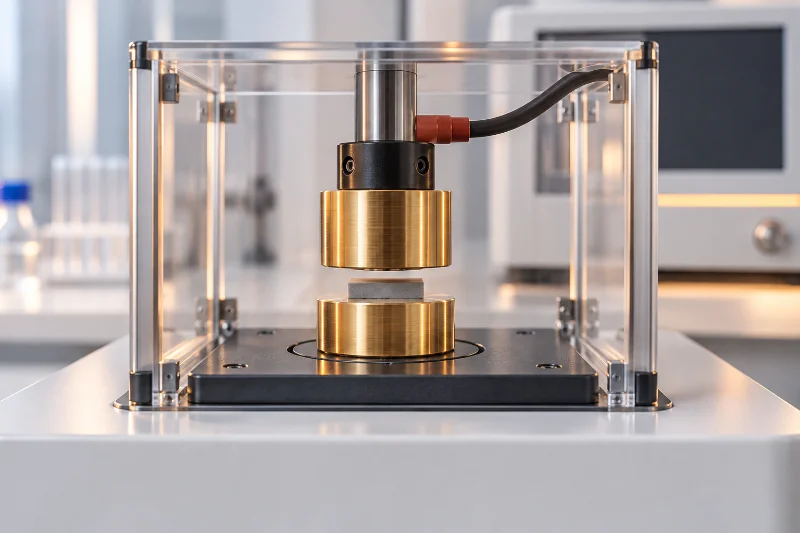
ISO 22007-2 for the epoxy grade, ASTM D5470 for the polyurethane grades.
Lap shear to GB/T 7124 and tensile strength to GB/T 528 on all three grades; volume change to ISO 10563 on 30104-0120.
Breakdown to ASTM D149 or GB/T 1408.1; volume resistivity to ASTM D257 or GB/T 31838.2.
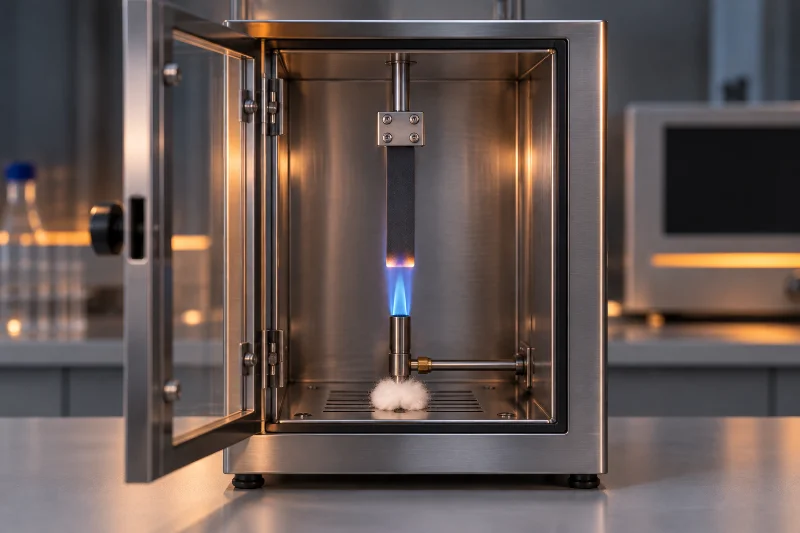
UL 94 V-0 on all three grades, as a material flammability class.
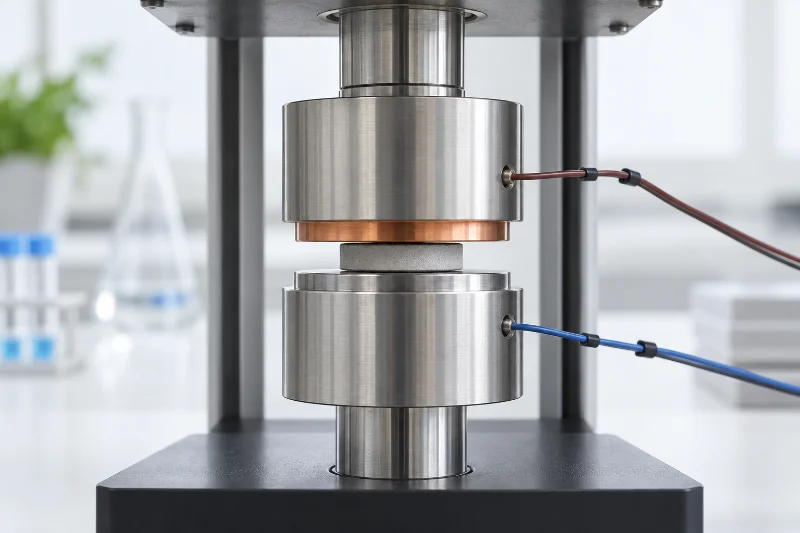
Measured properties on this page are laboratory results on the listed methods, not measurements from an assembled product, and the RoHS-compliant formulation is a formulation statement rather than a certificate. RoHS test reports and the scope of quality-system certificates for this product line are not published on this page; ask for them with your RFQ.
Ordering Structural Adhesive: What to Send and What to Ask
An inquiry for structural adhesive needs to describe both faces of the joint and its operating temperature, because the three data sheets cover substrates and temperature unevenly. The six items below give an inquiry what it needs for fit and price to be discussed. Transit time, duties and customs handling depend on the destination and are confirmed in the quote.
- Grade: 30104-0120, 30107-0120 or 30107-0200
- What sits on each face: cell, cold plate, metal or plastic part
- Cell format and cells per pack, or part size for other assemblies
- Operating temperature range of the joint
- Volume anual
- Preferred package and dispensing method
Structural Adhesive FAQ
How do the two polyurethane thermal conductive structural adhesive grades differ? +
Both 30107 grades list 2.05 W/m·K on ASTM D5470. The 0120 grade lists 11 MPa aluminum lap shear and 14% elongation; 0200 lists 8 MPa and 8%, and at 2.32 against 1.71 g/cm³ the same bead volume weighs more. The data sheet does not say when to choose 0200, so that belongs in the quote request.
How long does a bonded assembly need before it can move on? +
Surface-dry time is 35 minutes at 25 °C for both polyurethane grades and 60–90 minutes at 23 °C for epoxy 30104-0120; published cure is 7 days for all three. Strength at intermediate times and cure schedules other than the listed one are not on the data sheets, so your own coupon tests have to set handling steps.
Is the bond line electrically insulating between cell and cold plate? +
All three grades are described as insulating, with material breakdown values of 12 kV/mm for 30104-0120 and 16 and 14 kV/mm for 30107-0120 and -0200. No bond-line design rule is published, so the insulation a bonded joint gives at your working voltage has to be verified on that joint.
Does the UL 94 V-0 rating cover my finished product? +
No. V-0 is the flammability class the adhesive reached in UL 94 testing of the material itself, and the rating does not extend to a module, pack or other product built with it. The data sheet does not say whether a test report can be shared, so that question belongs in the quote request if your approval file needs one.
How are the two parts mixed? +
All three grades mix at a 1:1 ratio. The epoxy grade is mixed through a helical mixing tube, while the polyurethane data sheets give the ratio but name no mixing hardware, and no ratio tolerance is published for any grade. Dispensing equipment is worth confirming with us before a line trial.
Will the bead stay in place on a vertical or overhead face? +
Epoxy 30104-0120 is thixotropic, with a thixotropic index of 4, and is described as not flowing once mixed. The polyurethane data sheets list viscosity but no thixotropy figure, so a sag check on your own fixture is the way to confirm 30107 on a vertical or overhead face.
Are MOQ, lead time and package sizes published for these grades? +
No. MOQ, sample and production lead times, package sizes, shelf life, storage conditions, payment and inspection terms, shipping documents and after-sales handling are not published on this page. An RFQ that names the grade and annual volume is the place to request them.
Can you cover my annual volume, and what warranty applies? +
Capacity figures are not published, so the inquiry should carry your annual volume and call-off schedule, and supply against that schedule is worth having confirmed in writing. Warranty terms are not published on this page. Ask for them with your RFQ.