
Two-Component Thermal Conductive Gel in Six Silicone Grades
Trumonytechs supplies thermal conductive gel as a two-part A/B silicone in six grades, 1.5 to 8.0 W/m·K cured, mixed through a helical tube. EV and energy storage (ESS) battery packs are the main applications, and the same gel is supplied for other applications as well. Which grade you need depends on the interface heat load, and we publish each value against its test method.
Send the grade you are considering, the quantity and the packaging format — we will confirm the grade against the published data sheet before quoting.
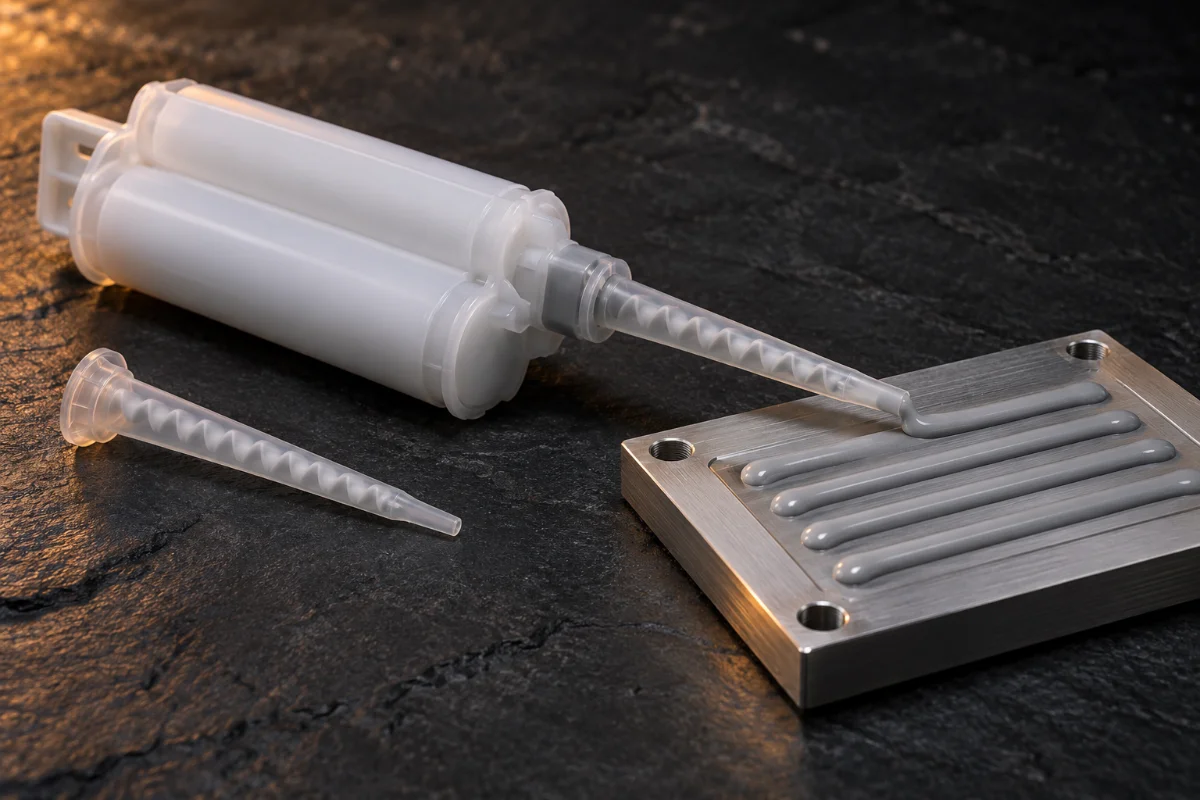
What a dispensed gel does at a thermal interface — and when a pad is enough
A dispensed gel is applied as a liquid and cures in place, which is why it belongs to assembly processes built around automated dispensing rather than manual placement. The material is a two-part silicone with extremely low surface tension that conforms to the interface it is dispensed onto, and its cured performance is specified as equivalent to a hővezető pad.
highest cured grade in the series, measured to ISO 22007-2
- 01A pad may already be enough
Where the interface is uniform and you are not running a dispensing line, a die-cut pad is the simpler process. Cured gel is specified as equivalent to a pad, and the interface data that would let you compare them properly — bond line thickness, thermal impedance — is not published for this series.
- 02You need it apart again
Whether cured gel can be separated and reapplied is not published for this series. If disassembly is part of your service plan, confirm it before you specify.
- 03Outside −40 to +150 °C
The published recommended temperature range is −40 to +150 °C. Operation outside it falls outside that published range, and continuous-service limits are not published for this series.
The difference between the two forms is how the material reaches the interface. A pad is die-cut and placed; the gel is metered, mixed through a helical tube and cured in place. Which one suits you follows from your assembly process and your interface geometry — and the geometry side needs data this page does not publish. The full termikus határfelületi anyagok range covers the other forms.
Which thermal conductive gel grade fits your heat load
Across the six grades, the data sheet lists the same values for hardness, tack-free time, cure time at 25 °C, breakdown voltage, volume resistivity and recommended temperature range. What changes by grade is cured thermal conductivity, cured density and A/B viscosity — so grade selection is a thermal question with a dispensing consequence attached.
| Ingatlan | 30102-0150 | 30102-0200 | 30102-0350 | 30102-0400 | 30102-0600 | 30102-0800 | Módszer |
|---|---|---|---|---|---|---|---|
| Cured thermal conductivity, W/m·K | 1.5 | 2.0 | 3.5 | 4.0 | 6.0 | 8.0 | ISO 22007-2 |
| Cured density, g/cc | 1.9 | 2.0 | 2.94 | 3.2 | 3.4 | 3.5 | ASTM D792 |
| Hardness, Shore 00 | 60 | 60 | 60 | 60 | 60 | 60 | ASTM D2240 |
| Lángállóság | V-0 | V-0 | V-0 | V-0 | V-0 | V-0 | UL 94 |
| Tack-free time at 25 °C | 90 min | 90 min | 90 min | 90 min | 90 min | 90 min | Kézikönyv |
| Cure time at 25 °C | 24 h | 24 h | 24 h | 24 h | 24 h | 24 h | Durometer |
| Breakdown voltage, kV/mm | 8 | 8 | 8 | 8 | 8 | 8 | ASTM D149 |
| Térfogati ellenállás, Ω·cm | >10¹² | >10¹² | >10¹² | >10¹² | >10¹² | >10¹² | ASTM D257 |
| Recommended temperature range, °C | −40 to +150 | −40 to +150 | −40 to +150 | −40 to +150 | −40 to +150 | −40 to +150 | — |
| Part A viscosity at 25 °C, ×10⁴ cps | 10 | 20 | 15 | 28 | 50 | 90 | #14 spindle |
| Part B viscosity at 25 °C, ×10⁴ cps | 9 | 15 | 16 | 25 | 45 | 85 | #14 spindle |
These are the six grades with published data sheets. Read the conductivity value from the table rather than inferring it from the part number.
Tensile strength is 0.01 MPa and elongation 30% on every grade, both to ASTM D412. This series is not described for structural bonding. Where the joint has to carry load, the polyurethane hővezető szerkezeti ragasztó is the product described for bonding cells to a cooling plate — this one is not.
Viscosity is the number to check against your equipment, not just the conductivity. Part A runs from 10 to 90 ×10⁴ cps at 25 °C on a #14 spindle and Part B from 9 to 85 ×10⁴ cps, and the values do not track conductivity in a straight line — 30102-0350 sits below 30102-0200 on Part A. Check the A and B viscosity of the specific grade you are considering against your pump and mixing setup. Where the interface is thin and flat rather than variable, hővezető szilikonzsír is the other form worth pricing.
Insulation, flame rating, and what the RoHS statement actually covers
The data sheet lists the same electrical values for all six grades: 8 kV/mm breakdown voltage to ASTM D149 and volume resistivity above 10¹² Ω·cm to ASTM D257. Those are listed values across the range, which means the data sheet does not show insulation changing with the conductivity grade.
The flame rating is UL 94 V-0 on all six grades. That is a material flammability classification tested to the UL 94 standard — not a UL certification of the product or of Trumonytechs. If your documentation package needs a UL file number, that is not published here and should be raised in the RFQ.
The formulation is RoHS-compliant. That describes the formulation rather than a test report, and it does not extend to REACH, halogen-free or FDA status — none of which are claimed for this series. Low-molecular-weight siloxane content (D4 to D10) is below 100 ppm by GC on grades 0150, 0200 and 0350; the remaining three grades have no published figure.
What this page does not cover: recommended bond line thickness, thermal impedance, mix ratio, pot life and the heat-cure schedule are not published for this series. A design gated on any of them needs those figures confirmed before a grade is specified.
If you have the grade, the quantity and the packaging format, that is the basis a quotation is built on — send it and the reply comes back against your figures rather than a published range.
Dispensing and curing
The gel is dispensed as an A/B pair through a helical mixing tube and cures at room temperature or with heat. Tack-free time is 90 minutes at 25 °C and cure time is 24 hours at 25 °C. The heat-cure schedule is not published for this series.
Two-part metering and a helical mixing tube are what the material is built around, which is why it is described as suitable for automated dispensing. Pot life, open time and the working window after mixing are not published for this series — tack-free time is a surface-cure figure and does not define any of them. Equipment selection and line integration are worth raising in the RFQ so they can be addressed against your actual setup.
Cured, the material is specified as equivalent to a thermal conductive pad, at Shore 00 60 hardness on every grade. Low assembly stress is the stated design point for this series: the gel conforms as a liquid before it sets. For where this sits in a complete pack, see az akkumulátor hőkezelése.
How the numbers on this page were measured
Measured properties on this page carry the test method or condition they were taken under, printed next to the value in the table. On a material page that matters more than on a component page, because a conductivity figure without a method is not comparable to anyone else's conductivity figure. Two entries are exceptions and worth naming: the recommended temperature range has no method listed, and viscosity is given with a spindle condition rather than a test standard.
Transient plane source. Every grade in the table was measured to this method.
V-0 classification on all six grades. A material rating, not a product certification.
Breakdown voltage and volume resistivity, both on cured material.
D4 to D10 content, reported on the grades where it was run.
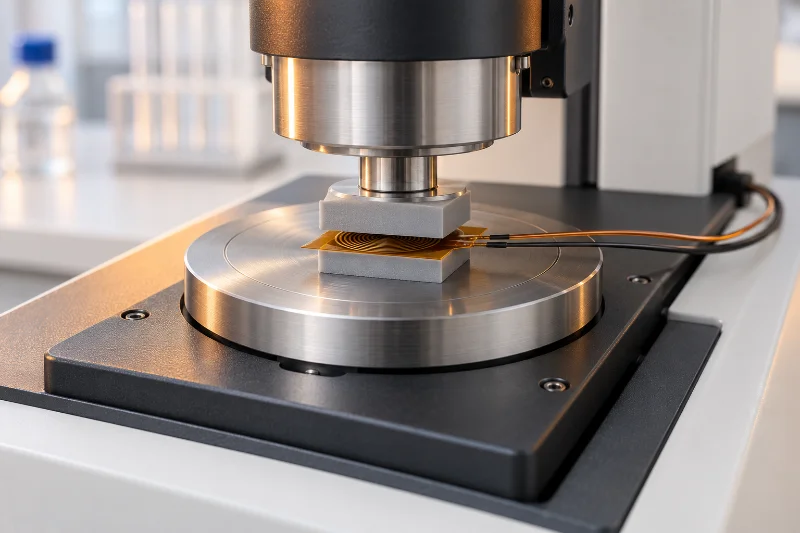
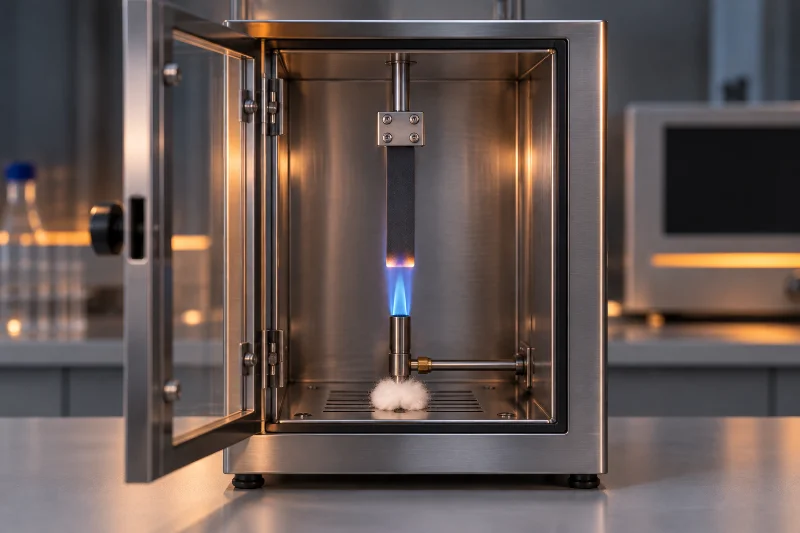
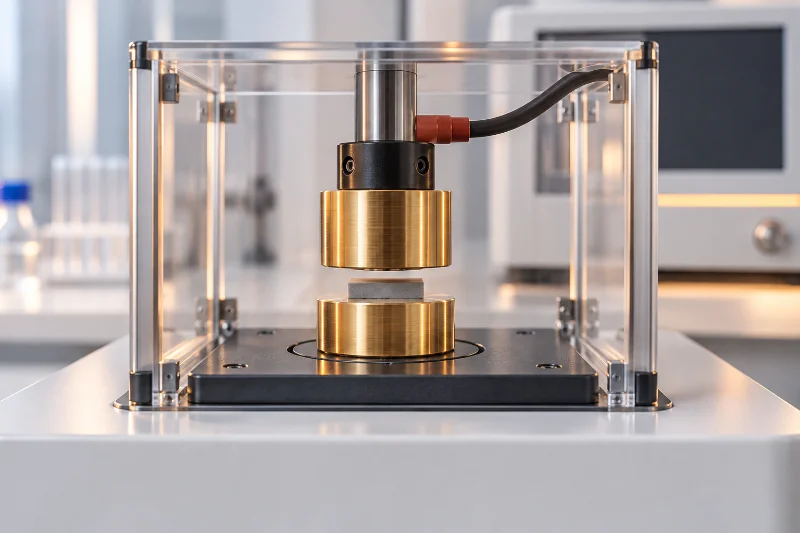
What this page does not carry is a reference list. We do not publish customer names or project details for this series, and the data sheet with its test methods is the part you can verify independently.
Company-level quality system certificates are available on request — name the ones your documentation package needs in your inquiry. Whether any of them cover this product line is not confirmed on this page and needs separate confirmation.
What a quotation needs, and what is not settled here
Quotation on this series is confirmed against grade, quantity and packaging format. Lead time, minimum order quantity, sample policy, payment terms, inspection arrangements, packing, shipping documents, batch traceability and after-sales handling are not published on this page. Warranty terms are not published on this page. Ask for them with your RFQ.
The first three below are what a quotation is confirmed against. The rest are optional and narrow the answer.
- Grade, or the target thermal conductivity
- Quantity per assembly and annual quantity
- Csomagolási formátum
- Gap range at the interface
- Existing dispensing equipment and mixing setup
- Destination port
Questions buyers ask about this gel
How is this different from a thermal conductive pad?+
A pad is die-cut to a fixed thickness and placed; the gel is metered, mixed and dispensed as a liquid, then cures in place. Cured performance is specified as equivalent to a pad. The comparison that would settle which suits your interface needs bond line thickness and thermal impedance data, and that is not published for this series.
Which thermal conductive gel grade should I specify?+
Cured thermal conductivity, cured density and A/B viscosity are what change across the six grades. Hardness, breakdown voltage, cure time and recommended temperature range are listed at the same values throughout. Send the heat load you are designing to, and the grade can be checked against the data sheets.
What are the minimum order quantity, price and lead time?+
None of the three are published on this page. A quotation is confirmed against grade, quantity and packaging format — those are what the commercial side works from. Minimum order quantity, sample policy and lead time sit outside what has been released for this series and have to be asked for directly.
How long before the material is tack-free?+
Tack-free time is 90 minutes at 25 °C and cure time is 24 hours at 25 °C, both from the data sheet. Tack-free is a surface-cure figure — it is not pot life, not open time, and not a line-cadence window. Those process figures are not published for this series.
Is it electrically insulating?+
The data sheet lists 8 kV/mm breakdown voltage to ASTM D149 and volume resistivity above 10¹² Ω·cm to ASTM D257, at the same values for all six grades. Insulation performance in your assembly also depends on bond line thickness and surface condition, neither of which is published for this series.
Does it carry UL certification or a RoHS certificate?+
UL 94 V-0 is a flammability classification for the material tested to the UL 94 standard, not a UL certification of the product or the company. On RoHS, what is supported is a RoHS-compliant formulation statement; whether a test report exists is not published here. Both belong in the RFQ if your documentation package needs them.
When is this the wrong choice?+
Where the interface is uniform and there is no dispensing line, a die-cut pad is the simpler process. Where the joint has to carry structural load, this series is not described for structural bonding — tensile strength is 0.01 MPa. Outside −40 to +150 °C, operation falls outside the published recommended range.
What is the recommended bond line thickness?+
Not published for this series. Bond line thickness, thermal impedance, mix ratio, pot life and the heat-cure schedule are outside what has been released. Any design gated on those figures needs them confirmed before a grade is fixed, rather than worked around with a generic number.
What about duties, inspection and batch traceability?+
Duties and import documentation vary by destination and are confirmed against the delivery port at quotation rather than stated on this page. Inspection arrangements, batch traceability and after-sales handling are not published for this series either. All of them belong in the RFQ if they gate your supplier approval.